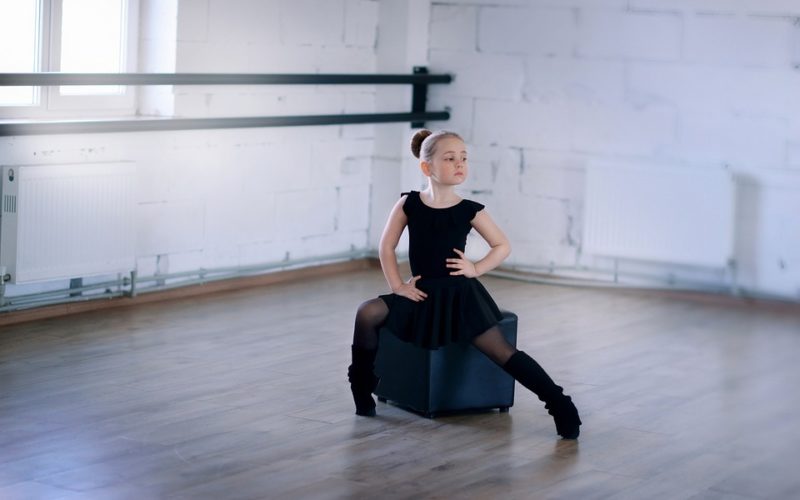
Dancing is one of the most underrated forms of exercise. It builds cardiovascular fitness, improves coordination, and burns a serious number of calories — all while being genuinely enjoyable. Unlike running on a treadmill or grinding through a gym circuit, dancing rarely feels like a chore.
The fitness benefits of dancing
Regular dancing works your entire body. Your legs, core, arms, and back all engage as you move through different steps and sequences. Over time, this builds muscle tone and improves posture. Many dancers also notice better balance and spatial awareness, which becomes increasingly important as we age.
From a cardiovascular standpoint, dancing gets your heart rate up quickly. A 30-minute session of moderate-intensity dancing — think salsa, swing, or ballroom — can burn between 150 and 250 calories, depending on your body weight and effort level. More vigorous styles like Zumba or street dance can push that figure even higher.
Mental health benefits you might not expect
Physical fitness is only part of the picture. Dancing has a well-documented positive effect on mental health. The combination of music, movement, and rhythm triggers the release of endorphins, the same feel-good chemicals produced during other forms of exercise. Studies have also linked regular dancing to reduced symptoms of anxiety and depression.
There is a social dimension to dancing that most other workouts simply cannot replicate. Whether you join a class or head to a social dance night, the sense of community that comes with dancing can reduce feelings of loneliness and boost your overall sense of wellbeing.
Getting started without any experience
You do not need a background in dance to benefit from it. Most beginner classes are designed for people who have never danced before, and instructors are used to working with complete novices. The key is simply to start. Look for local classes in styles that appeal to you — ballroom, contemporary, hip hop, and Latin are all widely available across the UK.
If you prefer to begin at home, there are hundreds of free tutorials available online. YouTube channels dedicated to beginner dance fitness are a good starting point, and many require no equipment whatsoever. The barrier to entry is genuinely low.
Making it a sustainable habit
Consistency matters more than intensity when it comes to fitness. The advantage dancing has over many other forms of exercise is that people actually look forward to it. When a workout feels less like a duty and more like a highlight of your week, you are far more likely to stick with it long-term. Aim for two to three sessions per week to begin with, and build from there as your confidence and stamina grow.